Understanding Your Customer’s Problems: The Key to Sales Success
February 7, 2025
Sasha Leitao
Chapter 3
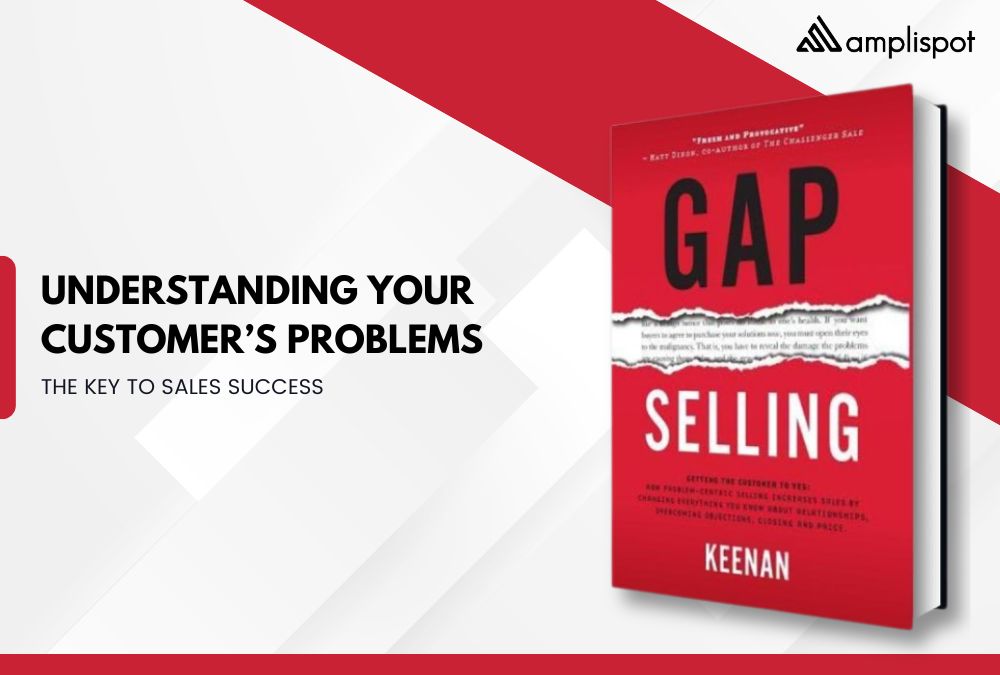
In Chapter 3 of Gap Selling, Keenan emphasizes a vital aspect of sales: deeply understanding your customer’s problems. Success in sales isn’t about flashy pitches or impressive product features—it’s about uncovering the challenges that truly matter to the customer and aligning your solution to address them.
This approach doesn’t just build trust; it creates meaningful value for your customer and positions you as a trusted advisor. Let’s explore why this mindset is essential and how to apply it effectively.
“You can’t solve what you don’t understand.”
Why Understanding Your Customer’s Problems Matters
In sales, understanding your customer’s problems is the foundation of building strong relationships and delivering impactful solutions. Here’s why it’s so crucial:
1. Clarity for the Buyer
Many customers don’t fully understand the scope or impact of their own problems. When you help them see the bigger picture, you build trust and create opportunities to position your solution as the answer they need.
2. Stronger Solutions
A deep understanding of their pain points allows you to offer a tailored solution, increasing the likelihood of a successful sale.
3. Credibility and Trust
Demonstrating that you’ve done your homework and truly understand their challenges makes you a valuable partner rather than just another salesperson.
The Value of Problem Discovery
Understanding your customer’s problems isn’t just about asking questions—it’s about discovering the nuances of their challenges. This process involves:
Understanding Context
Each industry and organization has unique struggles. Without understanding their world, your solution may feel irrelevant.
Identifying Root Problems
Customers often present surface-level issues, but the real value lies in uncovering what’s causing those problems.
Positioning for Value
When you understand their problems better than they do, you position yourself as an expert capable of solving their challenges effectively.
How to Understand Your Customer’s Problems
Follow these steps to uncover and deeply understand the challenges your customer faces:
1. Research the Industry and Company
Before engaging with your customer, familiarize yourself with their industry trends, challenges, and goals. This information will assist you in customizing your approach to fit their specific context.
2. Identify Symptoms and Root Causes
Ask thoughtful, open-ended questions to uncover the real issues. For example, if they struggle with lead prioritization, explore why. Is it due to outdated systems, lack of automation, or poor processes?
3. Quantify the Pain
Highlight the tangible impact of their problems. Show how inefficiencies or missed opportunities cost them time, money, or resources.
4. Validate Your Findings
Confirm your understanding with the customer to ensure alignment. Reiterate what you’ve learned to show you’re listening and on the same page.
Understanding your customer’s problems is the cornerstone of effective sales. It’s not about selling—it’s about solving. By doing your research, asking the right questions, and quantifying the impact of their challenges, you position yourself as a partner who provides real value. The more you understand, the better you can serve—and that’s where sales success truly begins.
Loved What You Read? Stay Inspired!
Don’t miss out on exclusive insights, tips, and updates. Sign up now and be the first to explore fresh ideas!
B2B emails often fail not because of weak offers but because buyers lack trust. The Social-Proof Sandwich shows how placing short testimonials in the middle of an email builds credibility at the right moment. By validating the problem before the pitch, this simple structure helps sales teams increase engagement, spark curiosity, and turn cold outreach into meaningful business conversations.
Sales pipelines often look strong on dashboards but hide deals that are quietly losing momentum. The CAST framework helps sales leaders evaluate pipeline health through four lenses: Customer fit, Activity levels, Engagement Signals, and Triage actions. By identifying warning signs early and focusing attention where it matters most, teams can improve deal visibility, strengthen forecasting accuracy, and keep revenue growth predictable.
Cold-calling volume is declining in effectiveness, wasting time and budget. The A.C.E.S.™ method replaces heavy dialing with five personalized, well-timed touches and a short silent window to boost recall and replies. Teams achieve equal or better meetings with fewer calls and higher efficiency.
What happens when sales reps get instant feedback instead of silence? Salesforce Arcade shows that making effort visible can boost daily dials by 25%—without new incentives, pressure, or burnout. Sometimes performance doesn’t need a new target, just a better experience.
Most sales emails stall because trust shows up too late. The Social-Proof Sandwich fixes that by placing testimonials right where decisions happen—mid-email—boosting replies and demos with smarter timing, not more words.