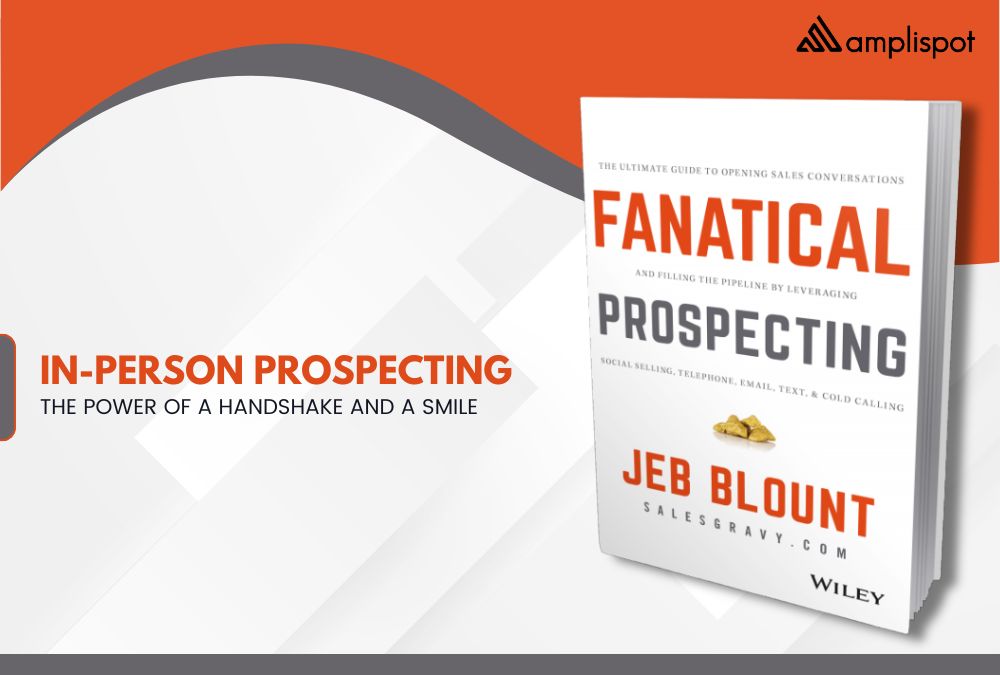
In-Person Prospecting: The Power of a Handshake and a Smile
March 30, 2025
Sasha Leitao
Chapter 18
In Fanatical Prospecting Chapter 18, Jeb Blount spotlights one of the most timeless and effective sales approaches: meeting prospects face-to-face. While digital channels and phone calls can be efficient, there’s an irreplaceable impact that comes from a genuine handshake, a warm smile, and real human connection. If you’ve ever been to a networking event or had an impromptu chat that turned into a sales opportunity, you already know how powerful in-person prospecting can be.
Why In-Person Prospecting Works
1. Human Connection Builds Trust
People are naturally drawn to genuine conversation and connection. Seeing facial expressions, hearing tone of voice, and observing body language all contribute to a deeper sense of rapport.
2. Body Language Speaks Louder Than Words
Eye contact, a firm handshake, and a confident posture send strong signals about your credibility and approachability. These non-verbal cues can’t be fully replicated through emails or phone calls.
3. Personal Interactions Stand Out
In today’s digital world, meeting someone in person is memorable. Prospects are more likely to recall a face-to-face conversation, setting you apart from the endless stream of digital pitches.
Key Elements of Successful In-Person Prospecting
1. Prepare Ahead of Time
Whether attending a conference or planning a drop-by visit, research is crucial. Understand the event’s purpose, scope, and attendees. Identify potential prospects and develop conversation starters or relevant insights.
2. Make a Strong First Impression
Dress Appropriately: Your attire should match the setting and reflect your professionalism.
Approach Confidently: A smile, good posture, and purposeful stride signal self-assurance.
Introduce Yourself Clearly: Offer your name and a concise statement about what you do or how you help others.
3. Start with Value
Lead with how you can help. Rather than launching into a pitch, ask about their goals or challenges, and share a quick insight that aligns with what they care about.
4. Listen Actively
The best salespeople are often the best listeners. Show genuine interest by asking follow-up questions and affirming their points. This demonstrates respect and builds trust.
5. Be Memorable
Leave them with a nugget of value—maybe an insightful statistic, an engaging story, or a tip they can apply right away. This creates a stronger impression that sets the stage for future conversations.
6. Follow Up Promptly
Collect business cards or contact information and reach out within 24-48 hours. Whether you send a personalized email or schedule a quick call, prompt follow-up shows professionalism and keeps the conversation moving.
Where to Leverage In-Person Prospecting
1. Networking Events
Industry-specific gatherings offer a chance to meet people who share similar interests or challenges.
2. Trade Shows and Conferences
Attendees are often looking for new ideas and solutions, making these events prime grounds for meaningful conversations.
3. Drop-By Visits
Sometimes, a spontaneous visit to a prospect’s office can lead to an unexpected yet fruitful meeting.
4. Community Events
Local meetups, fundraisers, or social gatherings can be great places to form connections in a more relaxed atmosphere.
Common Mistakes to Avoid
1. Being Overly Salesy
Pushy pitches can drive prospects away. Focus first on building a relationship and understanding their needs.
2. Neglecting Preparation
Walking into an event without knowing who’s attending or why they’re there diminishes your impact.
3. Forgetting to Follow Up
A great in-person encounter loses its value if you don’t maintain the connection afterward.
Real-World Example from Our Sales Process
Challenge A salesperson felt awkward and unprepared at networking events, often leaving without forging any meaningful connections.
Solution
Researched upcoming attendees, learned about their industries, and prepared a few relevant talking points and open-ended questions.
Approached new contacts with genuine curiosity, asking about their goals and challenges before introducing solutions.
Followed up within a day or two with personalized emails referencing something discussed in the initial conversation.
Outcome This shift in strategy led to stronger connections and three new meetings, one of which turned into a closed deal within a few weeks.
Key Takeaways from Chapter 18
1. Preparation Equals Confidence
Research the event, anticipate questions, and know your audience to make every face-to-face meeting count.
2. Focus on Relationships, Not Sales
In-person prospecting is about building trust and rapport first. Sales conversations flow more naturally afterward.
3. Be Proactive About Follow-Up
A timely, personalized follow-up can solidify the relationship and move it toward a business opportunity.
In-person prospecting is a timeless strategy that remains highly effective in our digital age. By combining genuine interest, thoughtful preparation, and a heartfelt follow-up, you can forge connections that translate into lasting partnerships. Next time you attend a conference or meet a potential client in person, remember the power of a handshake, a smile, and a genuine desire to help.
When you stand face-to-face with a prospect, you do more than just communicate—you connect. And in sales, that human connection can be the difference between being easily forgotten and being the one who closes the deal.
Loved What You Read? Stay Inspired!
Don’t miss out on exclusive insights, tips, and updates. Sign up now and be the first to explore fresh ideas!
B2B emails often fail not because of weak offers but because buyers lack trust. The Social-Proof Sandwich shows how placing short testimonials in the middle of an email builds credibility at the right moment. By validating the problem before the pitch, this simple structure helps sales teams increase engagement, spark curiosity, and turn cold outreach into meaningful business conversations.
Sales pipelines often look strong on dashboards but hide deals that are quietly losing momentum. The CAST framework helps sales leaders evaluate pipeline health through four lenses: Customer fit, Activity levels, Engagement Signals, and Triage actions. By identifying warning signs early and focusing attention where it matters most, teams can improve deal visibility, strengthen forecasting accuracy, and keep revenue growth predictable.
Cold-calling volume is declining in effectiveness, wasting time and budget. The A.C.E.S.™ method replaces heavy dialing with five personalized, well-timed touches and a short silent window to boost recall and replies. Teams achieve equal or better meetings with fewer calls and higher efficiency.
What happens when sales reps get instant feedback instead of silence? Salesforce Arcade shows that making effort visible can boost daily dials by 25%—without new incentives, pressure, or burnout. Sometimes performance doesn’t need a new target, just a better experience.
Most sales emails stall because trust shows up too late. The Social-Proof Sandwich fixes that by placing testimonials right where decisions happen—mid-email—boosting replies and demos with smarter timing, not more words.