Create An Effective Marketing Strategy For Your Business In 7 Steps
November 28, 2021
Allen Joseph
Social media is an important marketing tool for all sizes of businesses to include in their marketing and promotional strategies. The usual inquiry a few years ago was, "why should our business marketing plan include social media?" has been substituted by the more pressing question, "how can we use social media to create a successful marketing strategy?”
Many businesses are still attempting to advertise on social media without first understanding their marketing goals. This article will discover the seven steps your business must execute to develop an effective social media marketing campaign.
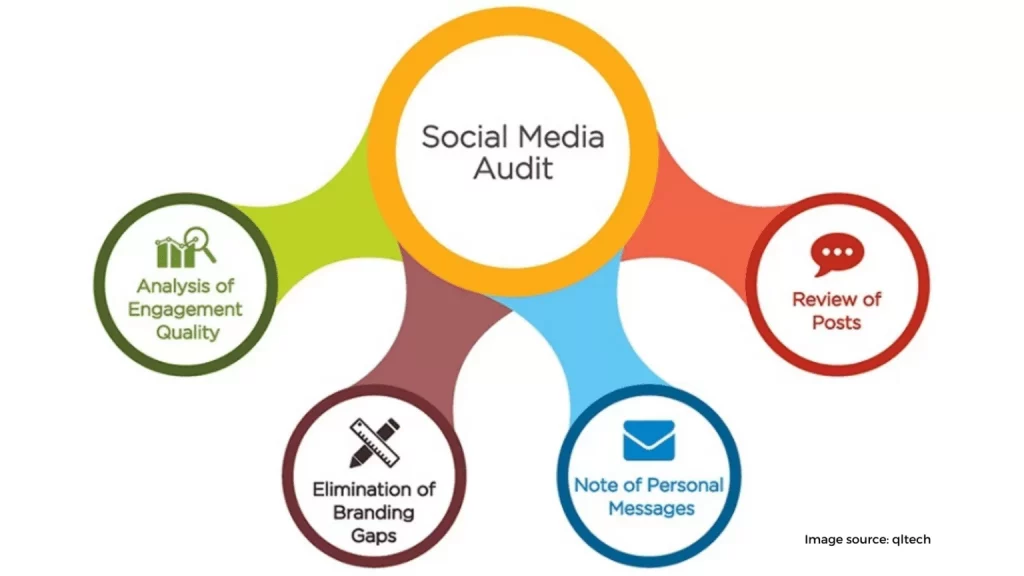
Step 1: Audit Your Current Social Presence
Take a look at where you are before figuring out where you're going. When evaluating your company's social media presence, consider the following:
The networks are you currently active on
Are the networks optimized(photo and cover images, bio, URL, etc.)?
How do your profiles differ from your competitors' profiles?
Which networks do you think are currently bringing you the most value?
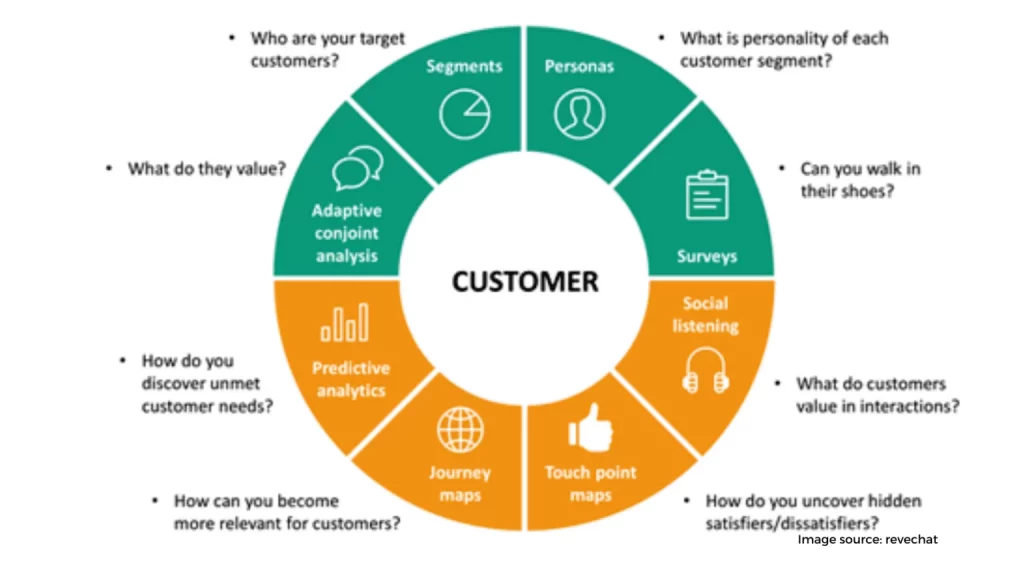
Step 2: Document Who Your Target Market
Before you start thinking of marketing tactics to attract target customers through social media, figure out who they are.
Even the greatest marketers will fail if they are marketing to the wrong audience. To assist you in creating a highly focused buyer persona, your market research can answer the following:
Age
Gender
Location
Job description
Income Range
Pain Points (that your business can solve)
Most Used Social Network
This will allow you to connect with them in a way that adds value to their lives rather than just talking about your business.
Step 3: Build A Social Media Mission Statement
Make certain that your social media mission statement is solid and effective. It will influence the future activities of your business, so be sure to think about it. This should clarify what you intend to do with your social media presence and represent your business identity. Keep in mind your ideal consumer while creating this statement.
A mission statement might be "to educate current and potential clients about digital marketing via social media, with a concentration on social media marketing." Once you've written down this statement, it will be easier for you to decide what to disclose and create.
If it doesn't correspond to your company's mission statement, forget about it. Businesses that post without a clear aim will fail. People tend to follow experts, not generalists.
Step 4: Identify Key Success Metrics
How to determine successful marketing strategies? After all, justifying the time and money spent on something that will improve the bottom line is difficult.
A few metrics to consider measuring are:
Conversion Rate
Product Reach
Time Spent on Website
Brand Mentions
Sentiment
Total Shares
Step 5: Create and Curate Engaging Content
Unfortunately, many organizations seem to skip this step. Hopefully, reading this post will have shown that you must complete several crucial stages before beginning to generate and share interesting content on your social media platforms.
Let's get down to business, shall we? Let's talk about how to use social media. You've identified your ideal consumer and incorporated that information into your social media mission statement. This is where you'll be able to create and curate content simply by knowing what it entails. So, what exactly does the term "content" imply? Here are some suggestions for things you could produce:
Images
Blog Posts
Videos
Company News
eBooks
Infographics
Interviews
The list of potential content topics continues to grow, but bear in mind that you should only consider content that is consistent with your mission statement and capabilities. You must make excellent, engaging content a top priority for social media.
It is essential to create a content calendar that describes how often you will publish to each network, which subjects you'll include, and when you'll do it.
Step 6: Consider Investing in a Social Media Management Tool
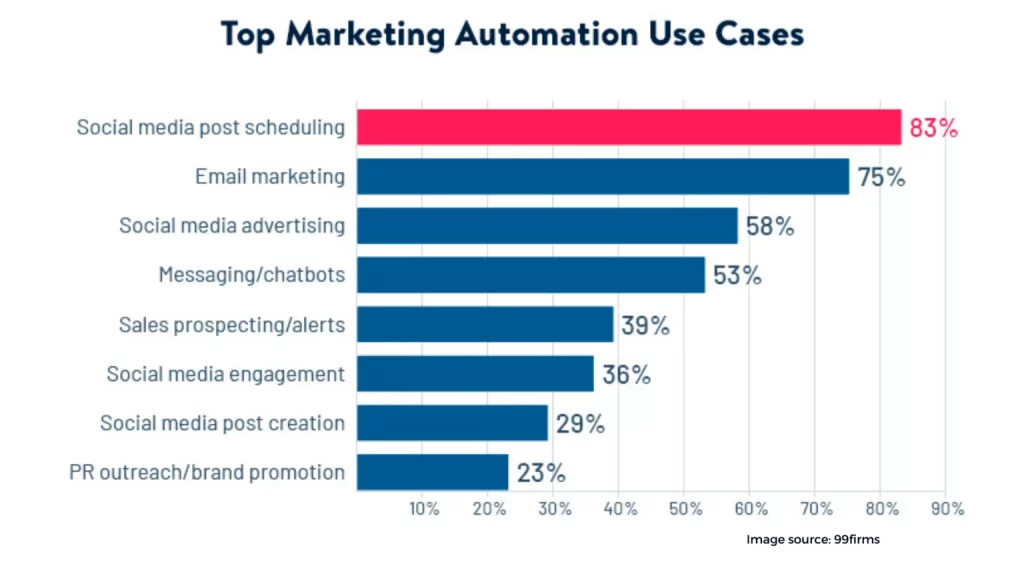
Many marketers employ technologies to increase their productivity. Maybe it isn't a surprise, but without tools, marketers would be burnt out all of the time (many do, even with tools). However, having a social media management solution allows you to scale your efforts quickly when it comes to social media.
One of the most notable features of social media management software is scheduling postings ahead of time. Remember that content calendar you made? Make sure your social media management software's scheduled postings sync with your content calendar.
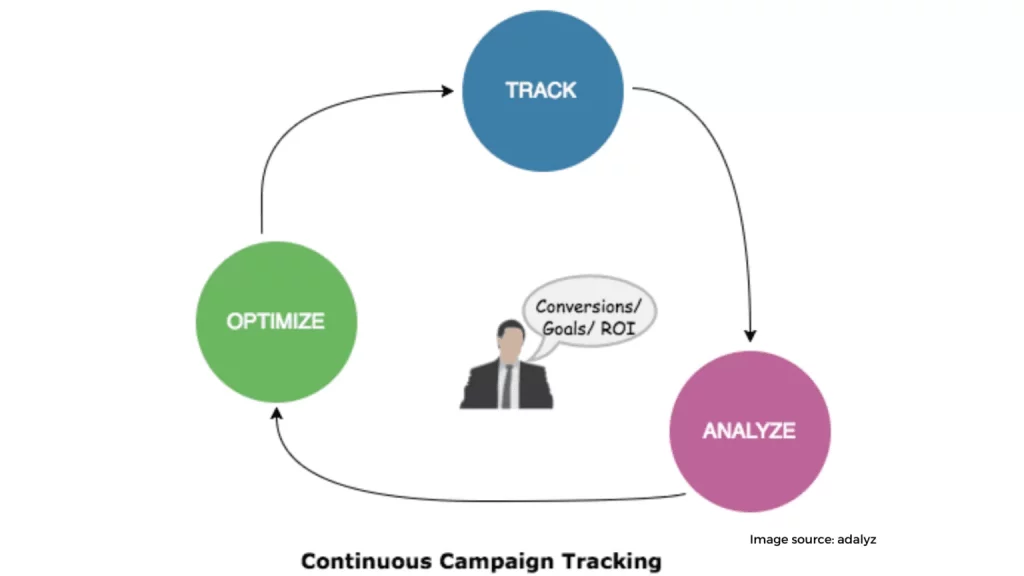
Step 7: Track, Analyze, Optimize
This is the most critical stage in terms of social media success. Even the greatest social media marketers make mistakes. It may appear simple, but it is important to keep track of your results, analyze the data, and then make adjustments to optimize them.
After each step has been completed, it should be re-evaluated after some time to assess the outcomes of your marketing strategies. Again, allow the data to drive you. For example, focus on Facebook or Twitter if the data indicates your most successful channels.
It's never too late to start creating a great social media presence as part of your marketing plan. It's a never-ending process that adjusts as needed. So go out there, develop a plan along with your marketing team, and start improving it as you expand your business.
Loved What You Read? Stay Inspired!
Don’t miss out on exclusive insights, tips, and updates. Sign up now and be the first to explore fresh ideas!
B2B emails often fail not because of weak offers but because buyers lack trust. The Social-Proof Sandwich shows how placing short testimonials in the middle of an email builds credibility at the right moment. By validating the problem before the pitch, this simple structure helps sales teams increase engagement, spark curiosity, and turn cold outreach into meaningful business conversations.
Sales pipelines often look strong on dashboards but hide deals that are quietly losing momentum. The CAST framework helps sales leaders evaluate pipeline health through four lenses: Customer fit, Activity levels, Engagement Signals, and Triage actions. By identifying warning signs early and focusing attention where it matters most, teams can improve deal visibility, strengthen forecasting accuracy, and keep revenue growth predictable.
Cold-calling volume is declining in effectiveness, wasting time and budget. The A.C.E.S.™ method replaces heavy dialing with five personalized, well-timed touches and a short silent window to boost recall and replies. Teams achieve equal or better meetings with fewer calls and higher efficiency.
What happens when sales reps get instant feedback instead of silence? Salesforce Arcade shows that making effort visible can boost daily dials by 25%—without new incentives, pressure, or burnout. Sometimes performance doesn’t need a new target, just a better experience.
Most sales emails stall because trust shows up too late. The Social-Proof Sandwich fixes that by placing testimonials right where decisions happen—mid-email—boosting replies and demos with smarter timing, not more words.