Powerful Tips for Successful Social Media Marketing for Insurance Agents
November 21, 2021
Tom Jose
Insurance companies must utilize social media marketing to promote their brands online. Because more customers do research online before making a purchase choice, it's critical to communicate with them through social media to be aware of your brand.
The average social media customer uses around 8.4 social networking sites.
In 2020, 44.8% of the world's online users utilized social media to research corporate information.
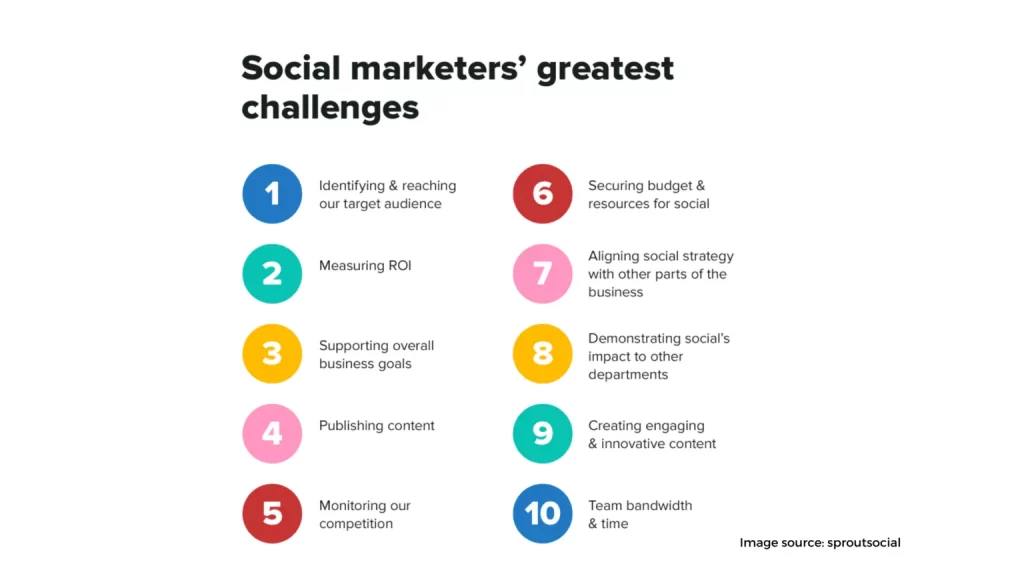
Even though social media is still extremely popular as a distribution channel, there are difficulties in gaining attention. Providers realize that insurance social media marketing is critical for future development. Yet, many have a hard time keeping up with the rate of change and producing genuine results from their efforts.
Best Practices for Insurance Social Media Marketing
One of the main objectives of any insurance social media marketing plan is to develop meaningful and engaging connections with consumers. The trust between you and your audience is what establishes these relationships. So, how do you get your insurance brand or agency to inspire confidence among customers? Here are some best practices to follow:
Deliver Quality Content
Your social media platforms shouldn't just be blatant advertisements for your business; they should also be informative, helpful, or instructive.
Consumers are searching for insurers with reputable coverage, but they also want to know how to safeguard their most valuable assets.
As you offer educational goods, make an effort to incorporate your ideas and how each option adds value to your services.
There are a few excellent social media postings available for each insurance company:
A short video explaining your policy coverage
Giving relevant links to fun, interactive cost or investment calculators
Providing simple answers to common questions and highlighting particular FAQs
Blog postings on themes such as "things to think about before purchasing your first automobile" or "how to prepare for calamities."
You may increase social media engagement by providing and promoting content that customers want. In addition, it builds trust more successfully, which keeps your brand top of mind when it's time to pick a plan.
Consider Your Platform Audiences
There are numerous methods to reach a possible consumer, which is why you must advertise your content in a variety of ways to appeal to the diverse audiences on each social media network. The way users engage with tweets is significantly distinct from how they interact on LinkedIn.
Infographic designers may use tone to help users understand what they'll see if they click on the image and how it might apply to their lives. This allows you to increase brand recognition without creating more content than is required.
Customer acquisition is aided by quality content in a different form. All it takes to attract people on various social media platforms is to wrap it up differently.
Engage with Your Audience
Taking the time to utilize your channels to "talk" to consumers may be the differentiator that sets your insurance brand apart from the competition. It also doesn't imply that you should react to people's comments on your content with a few emojis.
You must pay attention to what they're saying and respond in a "human" fashion that adheres to your company's standards.
If your potential clients have concerns regarding a policy, give them a brief response and an address where they may learn more. When responding to a positive or negative comment, make sure you have the proper tone. Send it to one of your customer success team members to resolve the problem instead of reacting directly.
These little interactions add up over time, demonstrating that you're engaging more on social media than just advertising the company.
Utilize Online Reviews
For the most part, insurance companies and brokers are naturally hesitant about social media comment sections and internet evaluations for small business owners.
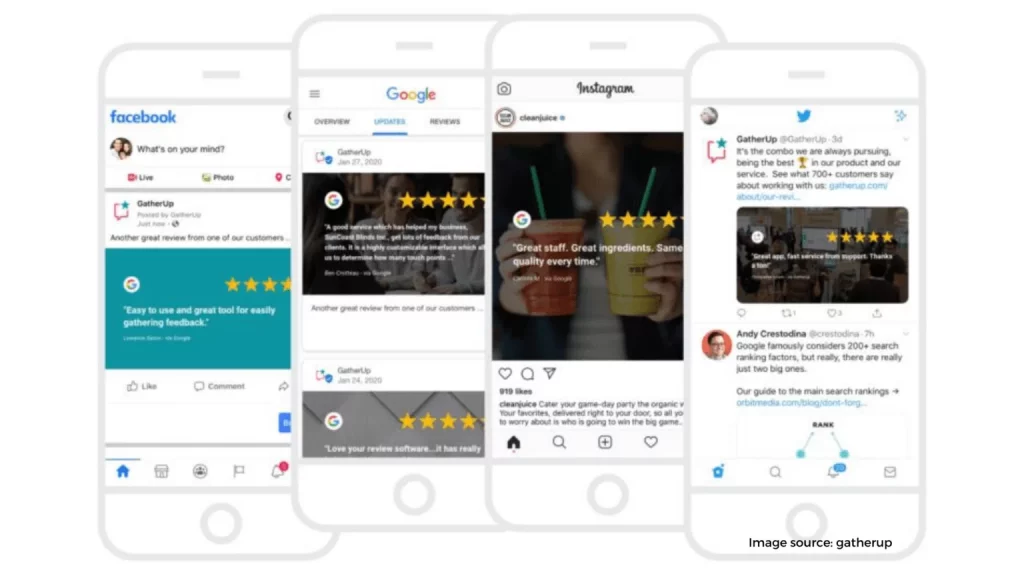
Reviews should be an essential component of insurance agent and provider social media marketing because it provides social proof required for clients to make a purchase.
You may use your client success stories, pictures, and videos to humanize your insurance brand while also utilizing social proof in your social media marketing.
Make sure that you explore conversations with customers and reviews. Once you've seen feedback, learn how to respond to consumers' negative evaluations and positive comments. This assists in bettering your customer and policyholder relationships through trust-based interactions.
Elevate Your Insurance Social Media Marketing Plans
It doesn't have to be difficult to keep track of your social media platforms if you utilize the proper tools. Your social media team can utilize these best practices to develop a brand voice that promotes the company and engages with customers, and showcases testimonials from your most delighted clients.
Loved What You Read? Stay Inspired!
Don’t miss out on exclusive insights, tips, and updates. Sign up now and be the first to explore fresh ideas!
B2B emails often fail not because of weak offers but because buyers lack trust. The Social-Proof Sandwich shows how placing short testimonials in the middle of an email builds credibility at the right moment. By validating the problem before the pitch, this simple structure helps sales teams increase engagement, spark curiosity, and turn cold outreach into meaningful business conversations.
Sales pipelines often look strong on dashboards but hide deals that are quietly losing momentum. The CAST framework helps sales leaders evaluate pipeline health through four lenses: Customer fit, Activity levels, Engagement Signals, and Triage actions. By identifying warning signs early and focusing attention where it matters most, teams can improve deal visibility, strengthen forecasting accuracy, and keep revenue growth predictable.
Cold-calling volume is declining in effectiveness, wasting time and budget. The A.C.E.S.™ method replaces heavy dialing with five personalized, well-timed touches and a short silent window to boost recall and replies. Teams achieve equal or better meetings with fewer calls and higher efficiency.
What happens when sales reps get instant feedback instead of silence? Salesforce Arcade shows that making effort visible can boost daily dials by 25%—without new incentives, pressure, or burnout. Sometimes performance doesn’t need a new target, just a better experience.
Most sales emails stall because trust shows up too late. The Social-Proof Sandwich fixes that by placing testimonials right where decisions happen—mid-email—boosting replies and demos with smarter timing, not more words.